Showing posts with label proximity. Show all posts

Thursday, September 08, 2016

From the archives - It's Throw Back Thursday time again

So this time ten years ago, I was just back from my second visit to The Electric Picnic in Ireland. By all accounts, I'd had a fab time despite rain and the ensuing mud. My review of the weekend is here.

Location Based Services

Meanwhile, 10 years ago, DoCoMo was trialling in-mall location based marketing. It's weird that this was 6 years AFTER we'd done this at ZagMe and even weirder is that it was 10 years ago and we're only just beginning to see location based services (or proximity as it's known now) come to fruition. Brand Republic wrote a half decent piece on the potential of mobile for marketing and advertising. Remember, this is pre iPhone App Store days and Nokia was the best selling manufacturer by a country mile.

Branded TV Channels

In September 2006, Anheuser Busch announced they were setting up and investing US$30 million in their own TV channel for Budweiser drinkers called Bud.TV. 10 years ago, this was forward thinking and arguably, ahead of its time as it closed down in 2009 as they deemed it too expensive to sustain and the audience couldn't easily access it. Critics suggested that it closed down as the content wasn't relevant and limited in its appeal. More on the demise of Bud.TV and other branded content channels here.I would suggest that timing is key. Branded channels per se are not necessarily a bad idea. Look at the content that Red Bull comes up with that now hits mainstream TV. Bud.TV may just have been ahead of its time.

Design

Stephanie and Bryan Rieger are long-serving designers and mobilists. They are mavens of what works in mobile design and this presentation, 'Letting Go', from 5 years ago is well worth a look to remind you of what's what in mobile design. It's also a lesson in how to create beautiful presentations. 

But what about the children?

Throughout my time in mobile, there have been people thinking about how to use mobile devices to monitor and track where their kids are. They are generally a terrible idea - if a teen wants to escape your digital clutches, they are more than capable of doing that with or without the fancy tracker you've bought. I'm not really sure why they keep resurfacing. However, this one that friend and mobile ally, Carlo Longino, wrote about back in 2004 takes the biscuit name-wise. Read all about 'TeenArriveAlive.com' over on Mobhappy. It's a great takedown and well worth a read.

More from the archives soon!

Monday, August 29, 2016

Revisiting proximity marketing

I cut my teeth in mobile marketing in location-based services, or proximity marketing as it's now known, way back in 2000. I was Head of Customer Experience for a new outfit called ZagMe (now long gone) where we sent SMS text messages to customers at Lakeside and Bluewater shopping malls while they were out shopping. We were not only pioneers of mobile advertising, we were also pioneers of location based mobile advertising, and we were way ahead of our time.

Fast forward 16 years and proximity marketing is making the headlines again. Retailers are experimenting with geo-fencing, location based targeted advertising online and beacon-enabled apps. It has been a couple of years since I last took a good look at the sector. You can see the video here of the interview I did with David Murphy from Mobile Marketing Magazine talking about the history of location based services.

If you have an interest in this technology and its practical application, you my be interested at this upcoming Mediatel event, sponsored by Proxama, that I'm participating in on the morning of Monday 12th September in London. I'm looking forward to hearing about up to date case studies and I'm hoping brands and agencies have learned the lessons from the past. We'll see... 


And if you'd like a history lesson in how mobile proximity marketing began, here are a couple of videos from BBC News and Channel 5 explaining how ZagMe worked. 


Thursday, August 25, 2016

#TBT From the Archives - On this day in 2006

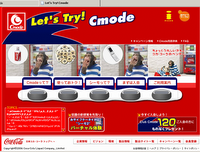
On this day in 2006, I wrote about Coca Cola embracing mobile marketing in Japan. That's 10 years ago! The gist of the service was that they could pay for Coca Cola in vending machines using an app that was NFC enabled or by using a personal QR code. They would then earn loyalty points for each purchase. To think we're only just seeing mobile payments here in the UK...

You can read the original post here.


Off hours mobile usage is covered in this short post from 10 years ago prompted by the Puzzler Media project Tom Hume was working on at the time. That is, usage of mobile devices at home in the wee hours of the morning rather than the received wisdom at the time of mobile being used mainly 'on the go'.

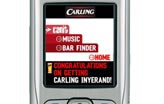
And the final one I'll share from the archives today is this one about Carling and a campaign they were running 10 years ago. There's a text in call to action and you get a wap link back (we are talking the days of Nokia N95 handsets and their ilk). Then there's a bar finder and a mobile game you can download and play. As a campaign mechanic, it's probably not that different from a lot of the campaigns we see today. The main difference is the call to action. Then it was SMS to WAP and now it's more likely to be a banner ad or social media triggering the download.

Saturday, August 02, 2014

A short history of proximity marketing

A couple of months back, I took part in Mobile Marketing Magazine’s Making Sense of Proximity Marketing event. Some of you reading this will know that I first got into mobile marketing by way of joining a start-up called ZagMe back in 2000, with Russell Buckley, where we sent promotional text messages to shoppers at Lakeside and Bluewater shopping malls (two of the largest malls in Europe at the time). In this video interview, I explain how ZagMe worked and what I learnt in the process and how it applies to our current world of proximity marketing.

If you’re interested to know more about ZagMe, what worked, what didn’t and best practice recommendations, download Russell’s free white paper here. It was written 10 years ago, but it’s still relevant.

There are also more videos from the event from some of the other speakers which include some useful case studies if you’re looking at implementing beacons, indoor GPS, local couponing or other location based initiatives, these videos may prove useful.